Crednovax is an independent credit card comparison platform. We may earn a commission when you click through.
Rewards Credit Cards: Big Bonuses, Very Different Costs
Compare 10 rewards cards by annual fee, earning structure, travel value, and student access before applying on an issuer's site.
Quick Picks
Best for travel rewards: Capital One Venture Rewards Credit Card earns unlimited 2X miles and currently advertises 75,000 bonus miles on the issuer's site.
Best for food and entertainment: Capital One Savor Student Cash Rewards Credit Card earns unlimited 3% cash back on food and fun, according to Capital One.
Best for frequent travelers who can use credits: Capital One Venture X Rewards Credit Card deserves a closer look, but its value depends heavily on travel benefits and the current fee structure.
Rates and terms shown are representative. Your actual rate depends on your credit profile and circumstances. This is not financial advice — always read the issuer's terms before applying.

Travel Value Has a Price
The biggest mistake in this group is comparing miles without comparing annual fees. A 2X card can be simpler than a category card, but a large fee only makes sense when you actually use the travel benefits. The official Capital One Venture page lists unlimited 2X miles and a 75,000-mile bonus, while the American Express Platinum page lists an $895 annual fee for its premium travel product.
Capital One Venture Rewards Credit Card
Unlimited 2X miles make Venture easier to manage than cards that depend on rotating categories. The issuer is advertising 75,000 bonus miles and more than $1,000 in travel bonuses, but the bonus is only useful if you can meet the spending requirement without carrying a balance. This may fit a frequent traveler who wants one rewards rate on everyday purchases and prefers a simpler setup.

Capital One Venture X Rewards Credit Card
Venture X moves into a more benefits-heavy tier than Venture, so the math changes completely. The scraped page confirms a travel-focused product, but it does not provide enough fee, APR, or benefit detail here to verify the break-even point. I would compare the current annual fee and travel credits directly on Capital One's site before applying; this card may fit a traveler who can use those benefits every year, not someone chasing rewards casually.

Southwest Rapid Rewards® Plus Credit Card
Southwest Rapid Rewards Plus narrows the value proposition to one airline, which can be useful if Southwest serves your regular routes. The available page content does not show the current annual fee, APR, bonus, or foreign transaction fee, so those terms need checking on Chase's application page. Compared with Venture, this card gives up flexibility in exchange for airline-specific rewards; it may fit a loyal Southwest flyer with predictable domestic travel.

American Express® Gold Card
The Gold Card cuts the fee to $325, but that is still a meaningful yearly hurdle. The supplied issuer content confirms the annual fee but does not provide the current rewards categories, APR, or welcome bonus, so the grocery and dining math cannot be verified from the available data. This may fit a high-spend food shopper who can earn enough rewards to cover the fee; otherwise, a no-annual-fee cash-back card is easier to defend.

Travel cards can produce more value, but only after you subtract the fee and confirm the terms. The less glamorous cards below are easier to evaluate: their earning rates are visible, and their value does not depend as much on airline loyalty or unused credits.
Simple Cash Back and Student Rewards
A flat-rate card will not produce the largest headline bonus, yet it can win for people who want rewards without tracking categories. Student cards also deserve separate attention because eligibility matters more than a flashy bonus: issuers often look at enrollment, income, and credit history.

Capital One Savor Student
Savor Student advertises unlimited 3% cash back on food and fun, which is more targeted than Quicksilver's flat 1.5% rate. That difference matters for students who spend heavily on dining, entertainment, or streaming-style purchases, but the category focus can be less useful for rent, books, and other uncategorized expenses. Capital One provides a student eligibility check, so this may fit a currently enrolled student with limited credit history who spends regularly in those bonus categories.
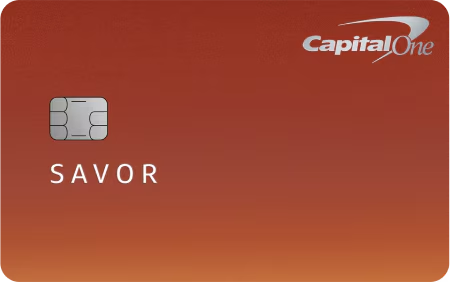
Capital One SavorOne Student Rewards Credit Card
The SavorOne Student listing uses the same visible 3% food-and-fun message as the other Capital One student listing, so the names and current terms need careful checking before an application. That duplication is the surprising wrinkle here: the supplied pages do not give enough information to prove a meaningful difference in APR, fee, or benefits. Treat this as a student-focused alternative to verify, not a separate winner, and apply only after confirming the exact product on Capital One's site.
Capital One Quicksilver Cash Rewards Credit Card
Quicksilver advertises 1.5% cash back with no annual fee, making it the cleanest baseline in this group. It will usually lose to Savor Student on qualifying food and entertainment spending, but it avoids category tracking and does not require a premium travel strategy. This may fit a credit builder or everyday spender who values a simple reward rate and plans to pay the statement balance in full.
Gap Good Rewards Credit Card
Gap Good Rewards cannot be evaluated confidently from the supplied page because the retailer returned a Page Not Found message rather than current card terms. That is a practical warning: store cards can be useful for loyal shoppers, but rewards, deferred-interest language, APR, and redemption rules must be confirmed before applying. Compared with Quicksilver, this card has less transparent value in the available data and may fit only someone who shops at Gap brands frequently after verifying the offer.
TJX Rewards Credit Card
TJX Rewards is another retailer-specific card, and the supplied page leads to a Synchrony account registration screen rather than current rewards or pricing details. That makes a direct comparison impossible here. It may fit a frequent TJ Maxx, Marshalls, or related-brand shopper, but the issuer's APR, annual fee, redemption rules, and purchase-only limitations should be checked before application; a flat-rate card offers more flexibility outside those stores.
Store cards can look attractive at checkout because the reward is tied to a familiar retailer. The trade-off is narrow usefulness and, in this comparison, incomplete public detail. Capital One Quicksilver is the safer benchmark for transparent everyday rewards, while the student Savor products make more sense only when food and entertainment spending is a large part of the budget.
Which Card Fits Your Spending?
Choose Venture if you want a straightforward travel card, can meet the welcome-bonus spending requirement without debt, and prefer unlimited 2X miles over category tracking.
Consider Venture X only after calculating the current fee against the travel benefits you will actually use. A frequent traveler may recover the fee; an occasional traveler may not.
Look at Platinum or Gold only if your travel or food spending is high enough to offset $895 or $325 in annual fees. The headline benefits do not make sense for a light spender.
Pick Savor Student for a currently enrolled student whose budget leans heavily toward food and entertainment. Pick Quicksilver for a student or everyday spender who wants a simpler 1.5% rate and no annual fee.
Approach Gap Good Rewards and TJX Rewards carefully. They may reward loyal store shoppers, but the available pages do not provide enough current terms to compare them responsibly with the broader cards.
Apply on the issuer's site after checking the current APR, annual fee, foreign transaction fee, welcome-bonus terms, and eligibility requirements. Rewards only help when the balance is paid on time; interest can erase the value quickly.
For a broader look at changing bonus structures and category rewards, compare this guide with Top Rewards Credit Cards for August 2026.