Crednovax is an independent credit card comparison platform. We may earn a commission when you click through.
7 Indian Credit-Building Cards Compared: Fees, Rewards, and Risks
Compare seven Indian cards for building credit, including a lifetime-free ICICI option, secured cards, reward rates, and finance charges.
Quick Picks
Best documented low-cost pick: ICICI Bank Platinum Chip Credit Card — lifetime free, with basic rewards and a fuel surcharge waiver.
Best for category rewards: SBI SimplySAVE Credit Card — the available listing advertises 10X reward points on dining, movies, groceries, and department stores.
Best secured-card leads: Kotak 811 #DreamDifferent Credit Card and Axis Bank Insta Easy Credit Card — both are listed under the secured category, but current fees and eligibility need confirmation before applying.
Credit-building cards are not automatically cheap. The ICICI card has a documented finance charge of 42% per year, so paying the full statement balance matters more than collecting a few reward points.
Rates and terms shown are representative. Your actual rate depends on your credit profile and circumstances. This is not financial advice — always read the lender's terms before applying.

What Changed in the Comparison
The biggest issue with this list is not a missing rewards category. It is uneven source quality. The ICICI page supplied for review currently returns a “There’s Nothing Here” error, while the Bank of Baroda page says the product page may have been removed or temporarily unavailable. SBI provides at least one concrete benefit in the captured page content, and Kotak’s page confirms an online application route through its 811 service.
That means you should treat the cards differently. Confirm live pricing, joining fees, annual fees, minimum income rules, secured-deposit requirements, and credit-bureau reporting on the issuer’s site before submitting an application. Issuers often assess income, existing banking history, repayment capacity, and internal approval criteria; a card labelled “secured” does not guarantee approval.
One useful rule has not changed: a small limit can still help if you pay on time and keep credit utilization low. A card that earns rewards but leaves you carrying a balance at 42% per year is working against the credit score you are trying to build.
Low-Cost Cards With Usable Everyday Rewards
A no-annual-fee card is the cleanest starting point, but only when the balance is paid in full. The cards in this group make sense for different reasons: ICICI has the clearest fee and reward details, SBI advertises concentrated rewards, and HDFC’s listing is present but blocked by a technical access page.
ICICI Bank Platinum Chip Credit Card
The ICICI Platinum Chip is the easiest card here to evaluate because the supplied details are specific: lifetime free, 2 PAYBACK points per ₹100, and a 1% fuel surcharge waiver. That makes it a sensible first card for an ICICI customer who wants no annual-fee pressure and uses fuel regularly. The downside is severe if you revolve a balance: the listed finance charge is 3.5% per month, or 42% per year. The reward rate is modest, and there are no premium travel or lounge benefits. I would choose it over a more complicated rewards card for a credit builder who pays in full, but not for someone expecting rewards to offset interest. The supplied ICICI URL currently shows a missing-page message, so verify that the card is still open to new applicants and confirm the live terms on the issuer’s website before applying.

SBI SimplySAVE Credit Card
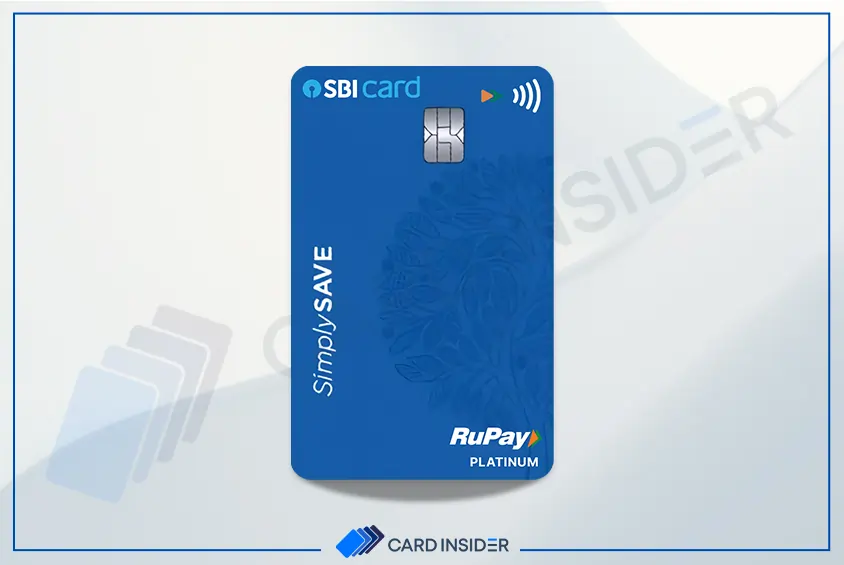
SBI SimplySAVE moves the focus from zero cost to spending categories. Its captured product page advertises 10X reward points on dining, movies, grocery, and department stores, which may suit a cardholder whose monthly spending is concentrated in those areas. Compared with ICICI’s flat 2 PAYBACK points per ₹100, the headline reward multiplier is more compelling, but the listing supplied here does not show the annual fee, regular finance charge, redemption value, or eligibility rules. That missing math matters: 10X points are not the same as 10% cash back. A credit builder who wants rewards and already banks with SBI may find this more engaging than the ICICI card, provided the live fee schedule and point value check out. The issuer’s page should be treated as the source of truth before applying.
HDFC MoneyBack+ Credit Card
HDFC MoneyBack+ appears in the cashback group, but the supplied page is blocked by a Cloudflare access error, so the available material does not establish its current fee, cashback rate, finance charge, or eligibility. That makes a confident recommendation impossible. It may appeal to someone already using HDFC services, yet a credit builder should not apply based on a product name alone. Compare the live reward terms against ICICI’s documented 2 points per ₹100 and SBI’s stated 10X categories, then check whether rewards have spending caps, merchant exclusions, or redemption fees. Until those details are visible on HDFC’s site, this is a research lead rather than a verified pick.
RBL Bank ShopRite Credit Card
RBL ShopRite is another cashback-labelled card, but the supplied page content does not expose enough terms to compare it fairly. The source URL also redirects within RBL’s banking web properties, which is a reminder to verify the current product page rather than rely on an old listing. There is no confirmed annual fee, rewards rate, finance charge, fuel benefit, or credit-building detail in the material provided. That puts it behind ICICI for transparency and behind SBI for documented rewards. It may fit an RBL customer who receives a targeted application and can see the full pricing schedule, but other applicants should wait until the issuer confirms the card remains available and reports repayment activity to the relevant credit bureaus.
These four cards illustrate the main decision: transparent low cost beats an attractive rewards label when you are building credit. ICICI has the clearest numbers but the highest documented risk for carried balances. SBI has the strongest stated category reward, while HDFC and RBL require more verification than the supplied pages allow. That leads naturally to secured cards, where the deposit and reporting rules matter more than headline rewards.

Secured Cards for a Fresh or Rebuilding Credit File
A secured card usually requires a fixed deposit or another form of collateral, though the exact structure varies by issuer. The deposit is not the same as a payment toward your monthly bill; you still need to repay every statement on time. These cards may be more relevant than unsecured rewards cards if your credit file is thin or damaged, but the available evidence is incomplete for both products below.
Kotak 811 #DreamDifferent Credit Card
Kotak 811 is the most clearly documented secured-card lead in the supplied material. The issuer’s page says applicants can apply online and points users toward the 811 app, while the product copy frames the card around everyday shopping rewards. The missing pieces are the ones that determine value for a credit builder: deposit amount, credit limit formula, annual fee, finance charge, reward rate, and bureau-reporting policy. Compared with ICICI, Kotak may be more relevant to someone who cannot qualify for a conventional entry-level card, but it offers less verified pricing in this dataset. Read the issuer’s current terms carefully and confirm that responsible payments are reported to the credit bureaus you need before applying.
Axis Bank Insta Easy Credit Card
Axis Bank Insta Easy belongs in the secured discussion, but the captured page is effectively a sitemap rather than a product explanation. It does not provide a usable fee table, finance charge, deposit requirement, reward structure, or approval criteria. That makes it impossible to rank above Kotak on evidence. An Axis customer may still investigate it because an existing banking relationship can simplify document checks, but issuers do not guarantee approval merely because you hold an account. Confirm the minimum fixed deposit, whether the credit limit matches the deposit, renewal charges, and bureau reporting on Axis’s live product page before moving money into the account.

Bank of Baroda Easy Credit Card
Bank of Baroda Easy Credit is the weakest documented option in this comparison because the supplied URL says the page may have been removed or temporarily unavailable. There is no verified fee, rate, reward, secured-deposit, or eligibility information to support an application decision. That does not prove the card is poor; it proves the available source is insufficient. A Bank of Baroda customer should search the issuer’s current cards section or ask a branch for the latest written terms, especially the annual fee and credit-bureau reporting policy. Until those details are confirmed, ICICI is easier to assess and Kotak offers a clearer online application trail.
Secured status alone does not make a card affordable. The useful comparison is the full cost of keeping the account open, how the deposit controls the limit, and whether on-time payments reach the bureaus. Kotak has the clearest digital trail, Axis may appeal to existing customers, and Bank of Baroda needs a fresh product confirmation before it belongs on a shortlist.
How to Choose Without Paying for Mistakes
Start with the annual fee. ICICI is listed as lifetime free, which removes one recurring cost. The other six listings do not provide enough verified pricing here, so do not assume “entry-level” or “secured” means free.
Then check the regular finance charge. ICICI’s listed 42% per year is the clearest warning in the group. Paying only the minimum can turn a small purchase into expensive revolving debt. Rewards should be treated as a bonus, not a reason to carry a balance.
Ask how the card builds credit. Confirm that the issuer reports account activity to the credit bureaus relevant to your file. Keep utilization modest, pay before the due date, and avoid opening several applications at once. A secured card can help, but only if the issuer reports it and you manage it consistently.
Check reward mechanics. SBI’s 10X language applies to named categories in the captured page, not necessarily every purchase. Ask about point value, caps, exclusions, expiry, and redemption rules. ICICI’s 2 points per ₹100 is easier to understand, but the cash value of PAYBACK points still needs checking.
Apply only through the issuer’s official website after reviewing the current terms. The supplied pages are uneven: ICICI Bank’s card page currently shows a missing-page response, SBI Card’s SimplySAVE page displays the 10X category claim, and Kotak’s 811 page confirms the online application route. Those links are useful starting points, but live issuer terms control.
Comparison at a Glance
| Card | Documented cost or reward | Credit-building angle | Best for |
|---|---|---|---|
| ICICI Bank Platinum Chip | Lifetime free; 2 PAYBACK points per ₹100; 42% p.a. finance charge listed | Low recurring cost, but expensive carried balances | ICICI customers who pay in full |
| SBI SimplySAVE | 10X points on dining, movies, groceries, and department stores listed | Rewards-led everyday spending | Applicants with spending in those categories |
| HDFC MoneyBack+ | Current terms not visible in supplied page | Needs fee and reporting verification | HDFC customers researching cashback |
| RBL ShopRite | Current terms not visible in supplied page | Needs availability and reporting verification | RBL customers with a live targeted offer |
| Kotak 811 | Online application route shown; pricing not supplied | Listed as secured, so deposit terms matter | People with thin files exploring secured credit |
| Axis Bank Insta Easy | Product details not visible in supplied page | Listed as secured; confirm deposit and reporting | Existing Axis customers |
| Bank of Baroda Easy | Supplied page unavailable | Product status needs confirmation | Bank of Baroda customers checking current availability |
My pick is ICICI for a first card only if the live application is available and the balance will be paid in full every month. SBI deserves attention if category rewards matter more than a simple fee structure. For a thin or damaged credit file, investigate Kotak or Axis secured products first, but do not transfer a deposit until the issuer confirms the limit, charges, and bureau reporting.
Speaking of the ICICI card’s fee-free structure, the full breakdown is in ICICI Platinum Chip Card: Fee-Free but Basic Benefits — useful reading before applying for a basic card with limited rewards.