Crednovax is an independent credit card comparison platform. We may earn a commission when you click through.
7 Indian Cards That Can Help Build Credit
Compare secured and entry-level cards, check the interest costs, and learn which features matter before applying on an issuer's site.
Credit building is less about collecting rewards and more about creating a clean payment history. The cards below include secured products backed by a deposit and entry-level cards with modest rewards, but the available evidence is uneven: several issuer pages were unavailable or incomplete during review.
Rates and terms shown are representative. Your actual rate depends on your credit profile and circumstances. This is not financial advice — always read the lender's terms before applying.
What to check before applying
Start with three questions: Is the annual fee clear? Does the issuer report repayment activity to credit bureaus? And can you pay the full balance each month? A rewards rate matters far less than avoiding interest. ICICI lists finance charges of 42% per year, or 3.5% per month, on its Platinum Chip card, so carrying a balance can quickly outweigh basic rewards.
Secured cards can be easier to access because a fixed deposit reduces the issuer's risk. The deposit is not free spending money, though. It usually supports the credit limit, while missed payments can still damage your credit history. Apply only through the issuer's website, and confirm the current fee schedule, bureau-reporting policy, and eligibility rules before submitting an application.

Secured cards: the clearest route from a deposit
Secured cards make the most sense when a thin credit file or past repayment problems limit unsecured approvals. The deposit requirement is the main hurdle, but the interest rate still matters because secured status does not make borrowing cheap.
Axis Bank Insta Easy Credit Card
A secured card can reduce the approval barrier because the deposit gives the issuer extra protection. Axis Bank's page was only partially available in the supplied data, so the current deposit amount, annual fee, interest rate, and bureau-reporting details need confirmation before applying. This is a better starting point for someone with limited credit history who can lock away a deposit and pay every statement in full, not for anyone expecting unsecured borrowing or low-cost debt.

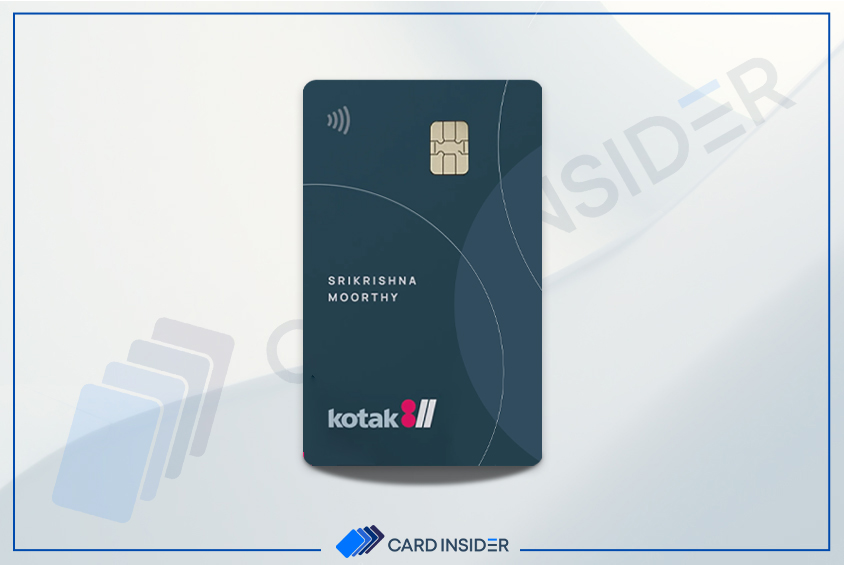
Kotak 811 #DreamDifferent Credit Card
Kotak 811 is another secured route, tied to the bank's digital 811 offering. The issuer describes the card as a way to earn reward points from everyday shopping, but the supplied page does not confirm the deposit, fee, interest, or reporting terms. Compared with Axis Bank Insta Easy, it may appeal to someone already comfortable with Kotak's 811 ecosystem; the missing pricing details mean it should not be chosen on rewards language alone.
ICICI Bank Platinum Chip Credit Card
ICICI Platinum Chip is the most transparent entry-level pick in the supplied list: the available details show no annual fee, 2 PAYBACK points per ₹100, and a 1% fuel surcharge waiver. The downside is substantial if you carry debt: ICICI lists finance charges of 42% per year, or 3.5% per month. Compared with the secured cards above, this may fit an applicant who can qualify without a deposit and will pay in full, but the reward rate is too modest to justify interest charges.

The secured cards may help applicants who cannot qualify for a conventional card, while ICICI's card avoids an annual fee according to the supplied details. The next group is less about access and more about modest rewards, so check the issuer's current terms carefully before treating any points offer as a reason to spend more.
Entry-level rewards cards: keep the spending controlled
Rewards can make a starter card feel useful, but they should remain secondary to payment history and low credit utilization. A simple rule works: use the card for one or two planned bills, keep the balance well below the limit, and pay the statement in full before the due date.
HDFC MoneyBack+ Credit Card
HDFC MoneyBack+ is labeled as a cashback card, but the supplied issuer page was blocked by a Cloudflare error and provides no usable fee, rate, reward, or eligibility data. That makes a confident recommendation impossible. It may fit an existing HDFC customer who can verify the current terms directly, but applicants building credit should not assume the name means meaningful cashback or low borrowing costs.
RBL Bank ShopRite Credit Card
RBL Bank ShopRite belongs in the everyday-spending comparison, yet the supplied page extract does not reveal the current annual fee, rewards rate, interest charge, or credit-building policy. Compared with ICICI Platinum Chip, it lacks the confirmed no-annual-fee detail and 42% finance-charge figure available here. Someone considering it should first ask RBL how it reports payments and whether the rewards outweigh the cost of holding the card.
SBI SimplySAVE Credit Card
SBI SimplySAVE has one confirmed headline feature in the supplied page content: 10X reward points on dining, movies, grocery, and department-store spending. That is more specific than the reward information available for HDFC MoneyBack+ or RBL ShopRite, but the extract does not confirm the annual fee, finance charges, or eligibility rules. It may fit a disciplined spender who uses those categories and pays in full; it is a poor credit-building tool if the 10X promise encourages spending beyond the monthly budget.
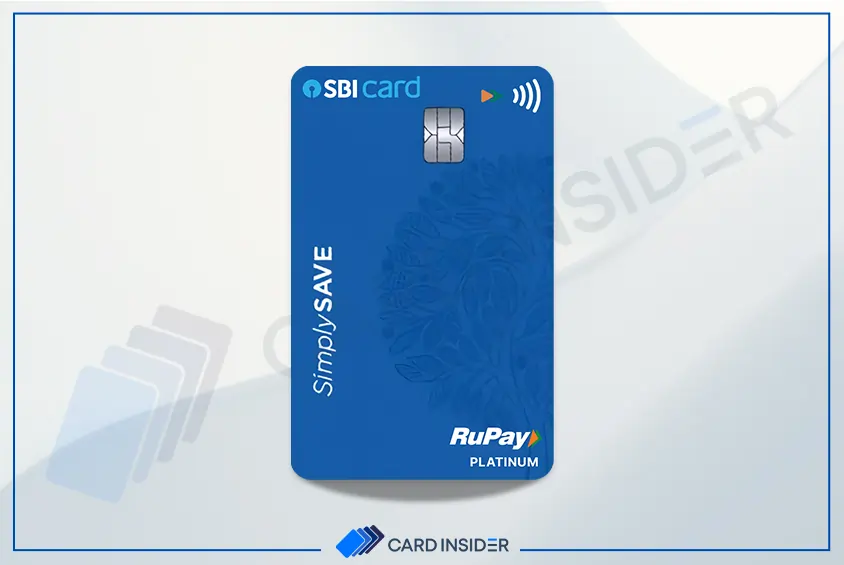
SBI's category bonus is the clearest rewards proposition in this group, but ICICI remains easier to assess on cost because its no-annual-fee and finance-charge details are available. Rewards should never decide the application by themselves. Confirm the current terms on the SBI Card official page, the ICICI Bank card page, and each issuer's application page before proceeding.

Common mistakes that slow credit progress
- Chasing points before checking fees: A high finance charge can erase years of small rewards if you carry a balance.
- Applying for several cards at once: Multiple applications can create unnecessary hard inquiries and make repayment harder to manage.
- Using the full limit: High credit utilization can make a file look strained, even when payments arrive on time.
- Ignoring secured-card conditions: Confirm the deposit, release rules, annual fee, and reporting policy before locking up funds.
- Trusting an incomplete product page: HDFC, Axis, Bank of Baroda, Kotak, RBL, and SBI pages supplied here did not all expose current pricing. Verify every term on the issuer's site.
A quick decision framework
Need a secured starting point? Compare Axis Bank Insta Easy and Kotak 811, but apply only after confirming the deposit, fees, interest rate, and bureau reporting.
Want a confirmed no-annual-fee entry card? ICICI Platinum Chip has the clearest supplied details, including 2 PAYBACK points per ₹100 and a 1% fuel surcharge waiver. Pay in full because the listed 42% annual finance charge is expensive.
Spend heavily on dining, movies, groceries, or department stores? SBI SimplySAVE has the clearest category reward claim, with 10X points in those areas. Check the fee and redemption value before assuming it beats a simpler card.
Considering HDFC MoneyBack+, RBL ShopRite, or Bank of Baroda Easy? Treat them as unverified until the issuer confirms current terms. The Bank of Baroda page supplied here was unavailable, so it should not be selected from the product name alone.
For a credit builder, the winning strategy is boring: one manageable card, low utilization, and full payments every month. Apply on the issuer's site after checking the latest terms. For a wider comparison of deposits, rewards, and risks, read 7 Indian Credit-Building Cards Compared: Fees, Rewards, and Risks.