Crednovax is an independent credit card comparison platform. We may earn a commission when you click through.
7 Credit-Building Card Myths That Cost You Points
A secured card is not your only path to better credit. Compare deposits, APRs, reporting, and rewards before applying.
The most surprising credit-building myth is that you need to carry a balance to raise your score. You don't. Paying in full can build credit just as effectively, while carrying debt exposes you to interest rates near 30% on some secured cards.
This guide separates seven common claims from what actually affects your credit profile: on-time payments, credit utilization, account age, and whether the issuer reports to the major bureaus.
Rates and terms shown are representative. Your actual rate depends on your credit profile and circumstances. This is not financial advice — always read the lender's terms before applying.

Myths About How Credit Scores Grow
Credit building is less mysterious than card marketing makes it sound. The basic formula is simple: use a small amount of available credit, pay on time, and give the account time to report positive activity.
Myth 1: You must carry a balance
Reality: Carrying a balance does not earn extra credit-building credit. It only creates interest charges. A card issuer can report an on-time payment even when the statement balance is paid in full.
Do this instead: Put one or two predictable purchases on the card, keep utilization low, and pay the statement balance by the due date. The Capital One Platinum Secured card lists a 29.99% APR and no rewards, according to the Capital One product page. That rate makes carrying a balance especially expensive.
Capital One Platinum Secured Credit Card
The low $49 starting deposit is useful for someone building credit from scratch, but the 29.99% APR means this card should be treated as a payment tool, not a loan. Capital One lists automatic credit line reviews and possible graduation to an unsecured card; the trade-off is no rewards and a required deposit. Best for a first-time applicant who can pay every statement in full and wants a path beyond a secured account.

Capital One's deposit flexibility makes it easier to start than a card requiring a large upfront amount. But the account only helps if payments arrive on time. A secured card is not a permission slip to borrow at 29.99%.
Myth 2: Secured cards are prepaid cards
Reality: A secured card usually requires a refundable security deposit, but purchases still use a credit line. The deposit is not automatically spent at checkout. Responsible activity may be reported as revolving credit, which is the part that can help build a credit history.
Do this instead: Confirm the issuer reports to the three major bureaus before applying, then ask how and when the deposit may be returned. The Discover it Secured page describes the product as a credit-building card and advertises cash back, but applicants should still read the current terms before submitting an application.
Discover it® Secured Credit Card
Discover it Secured adds cash back to a product category that often offers no rewards, which makes it more interesting for someone who already pays in full. The deposit requirement remains, and the available page data does not provide a current APR or graduation timeline. Best for a credit builder who wants rewards on ordinary purchases and is willing to verify the current terms before applying.

Compared with Capital One Platinum Secured, Discover's advertised cash-back angle gives everyday spending a little more value. Neither card removes the central rule: rewards are irrelevant if interest charges swallow them.
Myth 3: A higher credit limit automatically improves your score
Reality: A higher limit can lower utilization if your spending stays the same, but requesting more credit does not guarantee a score increase. Some issuers may review your credit, and spending more simply because the limit rose can push utilization right back up.
Do this instead: Keep balances modest relative to the limit and pay before the statement closes when possible. Credit utilization is calculated from reported balances, not just from whether the account was paid by the due date.
Bank of America Customized Cash Rewards Secured Credit Card
The Bank of America Customized Cash Rewards Secured listing is a poor fit for anyone choosing solely from a headline: the supplied page is temporarily unavailable, and the available data does not confirm a current APR, deposit range, or rewards structure. That missing information matters more than the product name. Best for an applicant willing to verify the live terms directly with Bank of America before applying.
This is the uncomfortable myth: a familiar issuer name does not replace checking the actual terms. Until the product page confirms the deposit, APR, reporting policy, and upgrade rules, it should not outrank a card with clearer information.
Myth 4: You need a secured card to build credit
Reality: Secured cards are one route, not the only route. Some unsecured starter cards may accept applicants with limited credit, while products tied to recurring bills may report eligible payments differently.
Do this instead: Compare the reporting model, fees, and eligibility requirements. Grow Credit's site says its Mastercard can help users pay phone bills and offers up to $1,800 in reporting power, based on eligibility, according to the Grow Credit website. That is fundamentally different from a traditional secured card: it may fit someone who wants to build credit through qualifying subscriptions rather than a deposit-backed spending line.
Grow Credit Mastercard
Grow Credit is the clearest rebuttal to the idea that every credit-building product requires a deposit. Its site highlights phone-bill payments, more than 10,000 ratings, and up to $1,800 in reporting power based on eligibility. The limitation is equally important: this is not the same as having a general-purpose card for groceries or gas, and eligibility controls how much can be reported. Best for someone with recurring qualifying bills who wants to build payment history without tying up savings in a security deposit.
Grow Credit may solve a specific problem better than a secured card, but it does not replace one for every borrower. Someone who needs a normal revolving credit line should compare traditional cards; someone with predictable subscriptions may prefer a product that keeps spending tightly limited.
Myths About Rewards and APR
Rewards can make credit building feel less punitive, but the math only works when the balance is paid on time. A 1% reward rate cannot compensate for even a short period of high-interest debt.
Myth 5: Cash back means the card is cheaper
Reality: Cash back reduces the cost of purchases only when you avoid interest and fees. Navy Federal's secured card advertises unlimited 1% cash back and a competitive APR, but the supplied listing also shows a $15.65 price figure without clarifying whether it represents a fee, rate, or another term. That ambiguity is a reason to read the live disclosure rather than rely on a comparison feed.
Do this instead: Check the annual fee, purchase APR, minimum deposit, and membership eligibility. Navy Federal membership requirements may apply, so the card is not automatically available to every applicant.
Navy Federal nRewards Secured Credit Card
The unlimited 1% cash back is more useful than the usual no-rewards structure, especially for a cardholder who pays in full. Navy Federal also advertises a competitive APR, but the available listing does not provide the exact rate or clearly explain the $15.65 figure. Best for an eligible Navy Federal member who wants secured credit plus simple cash back and will confirm the complete fee schedule before applying.
Navy Federal improves on Capital One's no-rewards setup, but access may be narrower because membership can matter. Rewards should come after eligibility and reporting: a card you cannot qualify for does not help your credit plan.
Myth 6: A high APR matters only if you have bad credit
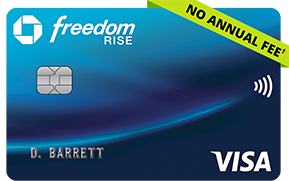
Reality: APR matters whenever you carry a balance. Credit-building cards often target applicants with limited or damaged credit, so rates can be high. Chase Freedom Rise lists a 20.49% price figure in the supplied data, while a second listing shows 28.74%; because the source extract does not label those figures clearly, applicants should verify the current purchase APR on Chase's application page.
Do this instead: Compare the regular APR, not just rewards or a sign-up message, and plan to pay in full. Chase Freedom Rise is unsecured, so it may avoid the deposit required by Capital One, Discover, or Navy Federal, but approval still depends on the issuer's criteria.
Chase may be more convenient for someone who cannot spare a deposit, while Capital One and Discover provide a clearer secured-card structure. The deciding question is not which card sounds more established; it is whether you can keep utilization low and pay every bill on time.
Myth 7: Closing a card immediately after your score improves is harmless
Reality: Closing an account can reduce available credit and raise utilization if balances remain elsewhere. It can also remove an active source of payment history. A score may not fall instantly, but the broader credit profile can change.
Do this instead: Keep a no-annual-fee account open when it makes sense, use it occasionally, and monitor fees and issuer policies. Do not keep an account open solely for a score if it creates costs or encourages spending.

What Actually Matters Before You Apply
- On-time payments: One missed payment can hurt far more than a small rewards rate can help.
- Credit utilization: Keep reported balances low relative to the credit limit.
- Reporting: Confirm whether the issuer reports to the major credit bureaus and which account activity gets reported.
- Total cost: Check the annual fee, deposit requirements, APR, late fees, and any membership rules.
- Product fit: Grow Credit may fit recurring-bill users, while secured cards suit people who want a traditional credit line. Chase Freedom Rise may fit applicants who want an unsecured starter card.
- Exit path: Read how deposits are returned or how an account may graduate before applying.
My pick depends on the borrower. Choose Capital One Platinum Secured if you are starting from scratch, can fund a deposit, and want automatic credit line reviews with possible graduation. Choose Grow Credit if qualifying recurring bills are your main spending pattern and avoiding a deposit matters most. Consider Chase Freedom Rise if you want an unsecured account, while Discover it Secured or Navy Federal nRewards Secured may fit someone who wants rewards and can pay in full.
Apply on the issuer's site after checking the current disclosures. Credit building rewards consistency, not carrying debt. For a closer look at the unsecured Chase option and its cash-back structure, read Chase Freedom Rise®: 1.5% Cash Back, No Annual Fee.